Groom Style
5 Sherwani Mistakes Every Pakistani Groom Should Avoid
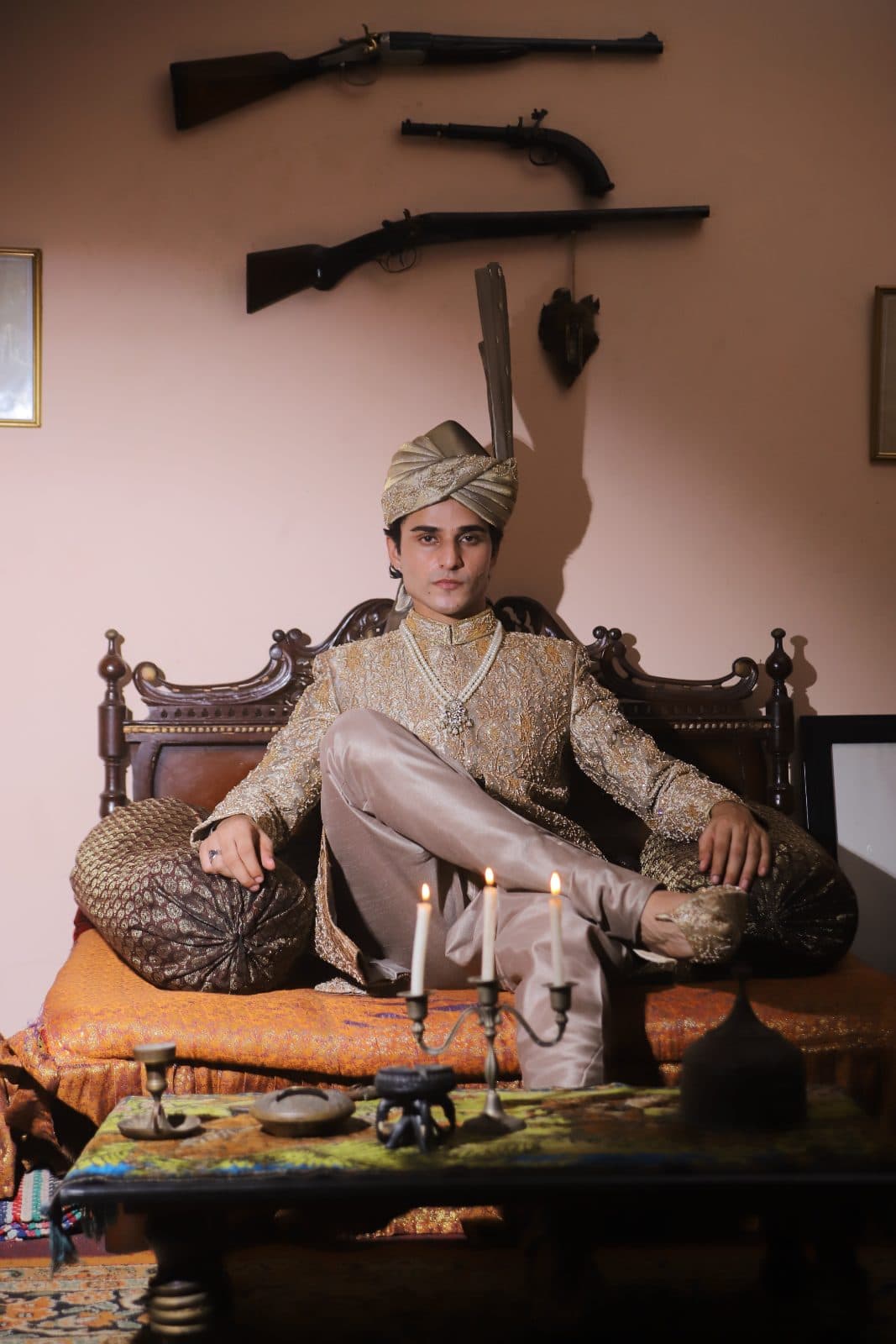
Choose your sherwani in this order: fit, fabric, colour, then embroidery. Clean shoulders, weather-appropriate cloth and a shade that sits well beside the bride matter more than another layer of dabka. Get that order wrong, and beautiful handwork only makes a poor silhouette more obvious. The five checks below are the ones to make before your first fitting.
A sherwani frames the face, sets the groom’s posture and appears in almost every formal photograph. You do not need the most decoration in the room. You need an outfit that feels right for the man, the event and the setting.
Mistake one
Starting after the best choices have disappeared
A late start does more than create delivery stress. It reduces the fabrics you can source, the handwork you can commission and the number of fit corrections your tailor can make. The usual result is a groom accepting what is available instead of choosing what suits him.
Timelines vary by maker and by the density of the work. Riwayat lists three to four weeks from first measurement to final fitting and advises booking at least six weeks ahead. Book Tailor also lists a three to four week production window, with extra time possible during wedding season. Both describe structured sherwanis as garments that normally need more than one fitting. See the published guidance from Riwayat and Book Tailor.
For a custom piece, eight to twelve weeks is a calmer working window. Begin earlier for dense hand embroidery, a specially woven cloth or a wedding during a busy season. Fix four dates at the start: consultation, first fitting, finishing fitting and a final trial in the complete look.
| Stage | A useful window | What to settle |
|---|---|---|
| Consultation | 8 to 12 weeks before | Cut, cloth, budget and palette |
| First fitting | 5 to 7 weeks before | Shoulder, chest, waist and length |
| Finishing fitting | 2 to 3 weeks before | Sleeves, collar, lining and buttons |
| Full-look trial | 7 to 10 days before | Shoes, trousers, turban and shawl |
Mistake two
Choosing embroidery before the silhouette is right
Fit controls how every other detail is read. If the collar gaps, the shoulders collapse or the front pulls across the waist, more embroidery simply puts a frame around the problem. A plainer sherwani with a clean line will look sharper than a heavily worked one that fights the body.
Start at the shoulder. The seam should meet the natural end of the shoulder without slipping down the arm. The band collar should sit close without pressing into the neck. Button the sherwani fully and look for horizontal pulling across the chest or stomach. Then sit, reach forward and raise your arms. Wedding clothes have to survive greetings, dinner and several hours on stage, not just thirty seconds in front of a mirror.
Use proportion, not labels
A shorter groom will usually gain height from vertical detailing, a controlled flare and trousers close to the sherwani’s colour. Thick hem borders and oversized motifs cut the body into sections. A tall, lean groom can carry a longer cut, broader motifs and a shawl with more presence.
Broader builds benefit from an assured shoulder, an easy waist and less concentrated work across the chest. Slimmer frames can use a cloth with more body and a little texture. None of this is about hiding the groom. It is about creating a line that looks deliberate from every angle.
Karigur’s groomwear guide makes the same practical distinction: length, shoulder, collar and the lower garment establish the sherwani before the decoration does. Its sherwani fitting notes are a useful second opinion before a trial.
Mistake three
Treating fabric, colour and handwork as separate decisions
Fabric determines how the sherwani holds its shape, how warm it feels and how much work it can carry. Colour changes under daylight, ballroom light and photography flash. Embroidery adds weight and reflection. Choose all three together, with the event in mind. A June afternoon in Lahore and a December evening call for very different cloth.
Lighter raw silk, linen blends and cotton-silk make sense for warm or daytime functions. Jamawar, brocade and velvet have greater visual and physical weight, which suits cooler evenings. The seasonal comparison in Wedding Wala’s Pakistani groom guide offers a useful starting point, but the lining and embroidery density still need to be judged in person.
| Setting | Cloth | Colour direction | Finish |
|---|---|---|---|
| Daytime Nikah | Light raw silk or cotton-silk | Pearl, ivory, sage or powder blue | Self-thread work or fine buttons |
| Summer Barat | Breathable raw silk | Champagne, stone or muted olive | Focused collar and cuff work |
| Winter evening | Jamawar, brocade or velvet panels | Maroon, bottle green or midnight | Antique dabka or zardozi |
| Walima | Fine jacquard or structured silk | Charcoal, steel, champagne or navy | Tonal embroidery and clean hardware |
Find your colour near your face
Hold the fabric beside your jaw in natural light. Warm undertones often sit comfortably with champagne, antique gold, camel, olive and warm maroon. Cool undertones often suit pearl ivory, silver-grey, navy, burgundy and lavender. Neutral undertones have more freedom, so depth and contrast become the useful tests.
Complexion depth is not the same as undertone. Deep complexions can be warm, cool or neutral, and often take ivory or jewel tones beautifully. Lighter complexions may prefer softened shades over a very stark white or an extremely dark collar. A phone photograph in daylight and warm indoor light will tell you more than the shade name on a swatch card.
Give the eye one place to land
A woven jamawar already has movement, so it rarely needs dense work across the whole body. Plain raw silk can carry more embroidery. Place the detail where people look first: collar, placket, cuffs and perhaps a controlled hem. Tone-on-tone thread feels quieter and modern. Antique metalwork feels more ceremonial. One clear idea will always look more assured than five competing ones.
Mistake four
Matching the bride instead of dressing beside her
Coordination means the two outfits belong in the same photograph. It does not mean turning the groom into a second version of the bridal dress. When both people wear the same strong colour at the same intensity, the picture can become flat and crowded.
Choose the bride’s principal look first. Give the groom a contrasting or quieter base, then repeat one detail: the temperature of the metalwork, a turban accent, the edge of a shawl or a stone in the mala. Karigur recommends coordinating rather than matching, while the House of Arsalan Iqbal suggests using smaller details to connect the two looks. See its Pakistani groom style guide.
Bride in red or maroon
Ivory, champagne or beige sherwani with antique gold work and a restrained red accent.
Bride in ivory or gold
Bottle green, midnight, burgundy or warm taupe with gold details that echo her finish.
Bride in blush or peach
Pearl, stone, soft sage or champagne with a blush turban detail or rose-gold hardware.
Bride in lavender or silver
Dove grey, cool ivory, charcoal or navy with silver work and a small lavender note.
Check the stage as well. Bottle green may look excellent beside an ivory bride and then disappear against a wall of green foliage. Take the swatches to the venue or place them beside the decor references before approving the palette.
Mistake five
Styling each piece in isolation
The final fitting should include the trousers, khussa, turban, shawl, brooch and mala. Each one changes the balance of the outfit. Trousers affect the line of the hem, shoes affect posture, and a tall turban changes how the collar and face are framed.
A heavily worked sherwani needs restraint elsewhere. Choose one statement accessory, perhaps a turban or a shawl, then keep the rest quiet. A minimal sherwani gives you more room for a textured shawl, a stronger brooch or a layered mala. If everything asks for attention, nothing receives it.
Do the wedding-day movement test
- 1. Button the sherwani completely.
- 2. Sit for several minutes.
- 3. Walk in the wedding shoes.
- 4. Raise both arms and reach forward.
- 5. Add the shawl, turban and jewellery.
- 6. Take front, side and back photographs.
Break in the khussa before the event and keep the trouser colour close to the sherwani if you want a longer visual line. Finally, look at the collar with every accessory in place. A high collar, large brooch, heavy mala and tall turban can crowd the face. Removing one piece often finishes the outfit.
The final inspection
A twelve-point sherwani checklist
- Shoulder seams meet the natural shoulder.
- The collar closes without pressing the neck.
- The chest stays smooth when fully buttoned.
- Sleeves finish around the wrist bone.
- The hem length works with your height.
- You can sit and raise your arms comfortably.
- The lining feels comfortable against the skin.
- The cloth suits the season and venue.
- The colour works in daylight and warm light.
- The metalwork agrees with the bridal outfit.
- Shoes and trousers have been tested together.
- Accessories support one clear visual idea.
Practical questions
What grooms usually ask before ordering
What is the safest sherwani colour?
Ivory, champagne and warm beige work with many bridal palettes. The safe choice is not a universal colour, though. It is the shade that suits your undertone, agrees with the bride’s metalwork and holds up in the venue light.
Can a groom wear black?
Yes, especially for an evening event. Black can feel severe in strong daylight, so texture, antique gold work or a warm shawl can stop it from looking flat.
How much embroidery is enough?
Let the cloth answer first. Plain raw silk can carry more detail. Patterned jamawar may need only a collar, placket and cuff treatment. Stop when the line of the garment remains clearer than the decoration.
What should I bring to a fitting?
Bring the wedding shoes, lower garment, planned accessories and an accurate reference for the bride’s outfit. If you have not chosen the accessories, bring photographs showing their likely scale and colour.
Continue planning
Choose the direction before the first fitting
Browse the latest sherwani designs for 2026 if you are still deciding on colour and visual mood. If the larger question is which silhouette belongs at your event, compare a sherwani and prince coat before you commission either one. For event-specific planning, compare the seven Nikah outfit directions or use the three-way Walima outfit guide.
Make the choices in person
A sherwani should look like you, only more considered.
Bring the wedding palette, venue details and the shoes you plan to wear. Kudmayi can help you compare cloth, colour and proportion together at Gulberg, M.M. Alam Road, Lahore.